Robotics and Intelligent Hardware Solution
Robotics hardware for positioning, perception, motion, and field operation
Dingtek supports robotics projects with RTK positioning, DR100 10-axis IMU attitude sensing, autonomous mower application hardware, and an expandable roadmap for perception, actuation, force feedback, and control modules.
Solution Scope
A robotics hub for current products and upcoming hardware families
This page is structured as the main robotics entry point. It helps customers find the active RTK, IMU, and mower pages today, while leaving room for camera, radar, motor, force sensor, and controller-related product families as they become available.
Available Building Blocks
Current robotics-related products

Positioning
GNSS RTK positioning terminal
Centimeter-level positioning for outdoor robotics, smart mowing, mapping, settlement monitoring, and field asset applications.
Attitude and Motion
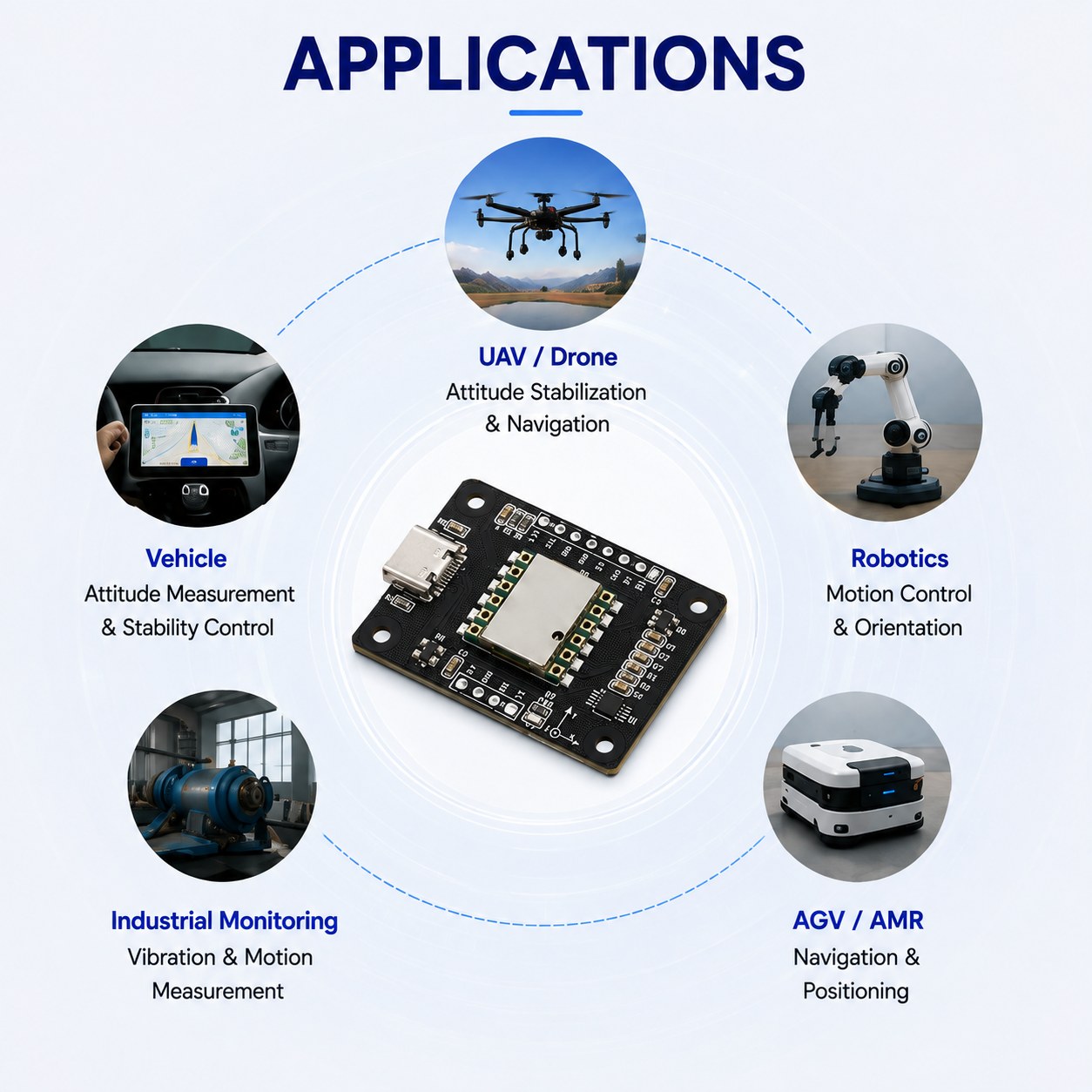
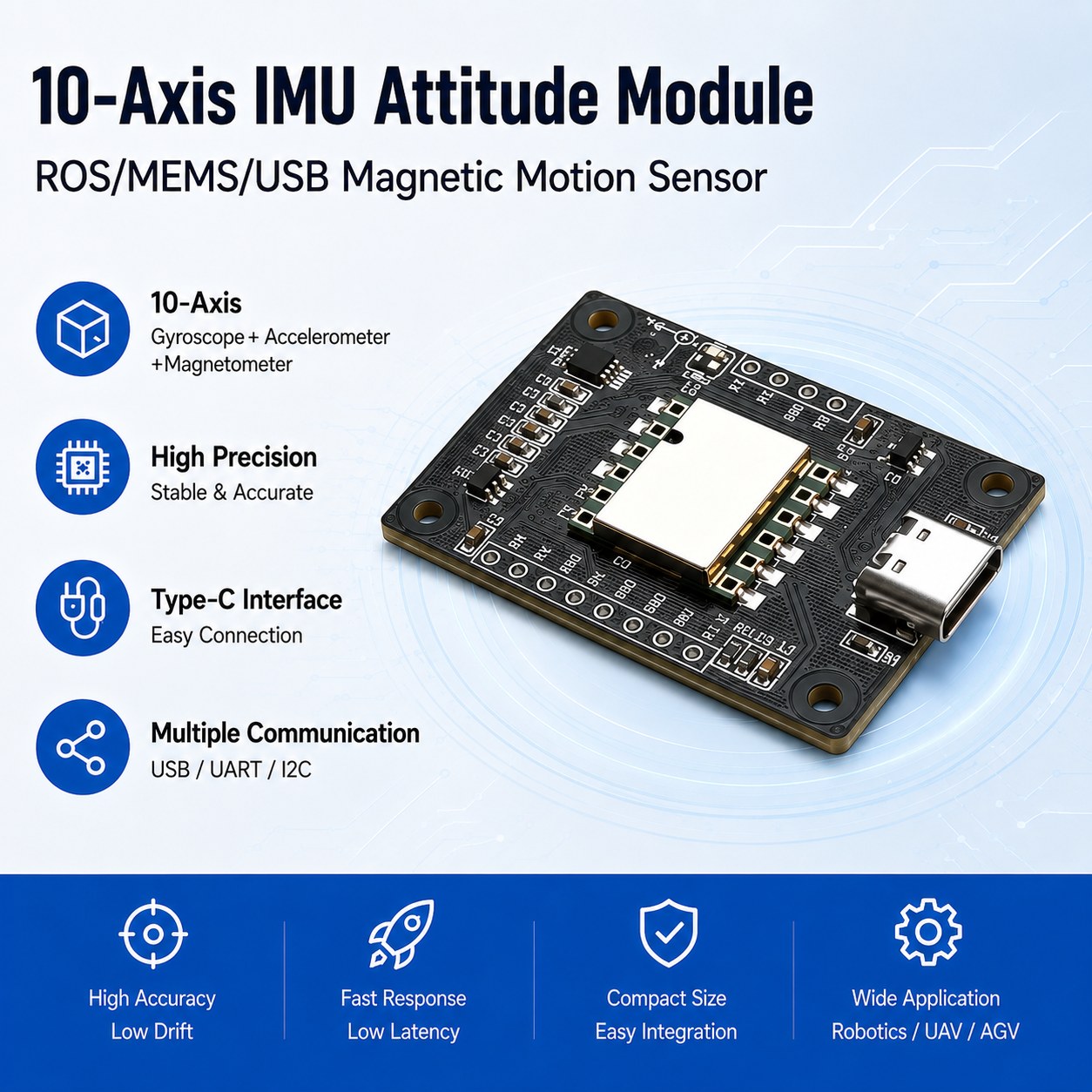
DR100 10-axis IMU attitude module
Compact IMU module for robotics, AGV, AMR, UAV, vehicle attitude measurement, and embedded motion sensing.

Application Hardware
Autonomous lawn mower
RTK-guided robotic mowing product for residential lawns, campuses, parks, managed green areas, and outdoor robotics validation.
Expansion Direction
Planned hardware families for a larger robotics portfolio
Perception
Camera modules
Future visual perception and scene data products for robotics and intelligent field applications.
Perception
Radar modules
Future ranging, detection, and environment awareness products for mobile or fixed robotics platforms.
Motion
Motor and drive modules
Future actuation-related hardware for motion execution, embedded control, and application-specific integration.
Interaction
Force sensor modules
Future force feedback and load-sensing products for interaction, safety, and industrial robotics use cases.
Application Fit
Robotics scenarios where product combinations matter
Outdoor autonomous equipment
Use RTK, IMU, perception, and motion hardware to support mower, inspection, mapping, and outdoor mobile equipment projects.
AGV and AMR development
Combine positioning reference, attitude sensing, interface discussion, and ROS support for warehouse or field mobile robot evaluation.
UAV and drone evaluation
Use IMU attitude data and positioning-related products during early-stage flight, payload, and embedded system validation.
Customer system integration
Discuss UART, I2C, RS232, wireless connectivity, host controller requirements, software workflow, and data interface needs.
Project Workflow
From robotics requirement to deployable hardware mix
Define the task
Clarify positioning accuracy, motion data, perception range, environment, size, power, and interface constraints.
Select modules
Match RTK, IMU, application hardware, and future perception or motion modules to the target platform.
Validate data
Review mounting direction, signal quality, interface format, data rate, ROS workflow, and field test conditions.
Prepare rollout
Plan pilot testing, batch supply, project documentation, integration support, and long-term product updates.
FAQ
Robotics solution questions
Is this a complete robot platform?
The page covers robotics-related hardware and project integration support. The autonomous mower is a complete application product, while RTK and DR100 are hardware building blocks for customer systems.
Which robotics products are available now?
Current related products include GNSS RTK positioning, DR100 10-axis IMU attitude module, and the autonomous lawn mower application product.
How do RTK and IMU work together?
RTK provides accurate outdoor position reference, while DR100 provides attitude and motion data for the embedded system or robotics controller.
Can new camera, radar, motor, and force sensor products be added later?
Yes. The robotics solution is designed as an expandable category so planned product families can be added as they become ready for customer communication.
Robotics Project Review
Discuss robotics positioning, sensing, perception, and hardware integration
Share the robot type, operating environment, accuracy target, interface requirements, and development stage. Our team will review the suitable hardware direction and next validation step.